Why Your First Punta Cana Airport Experience Matters
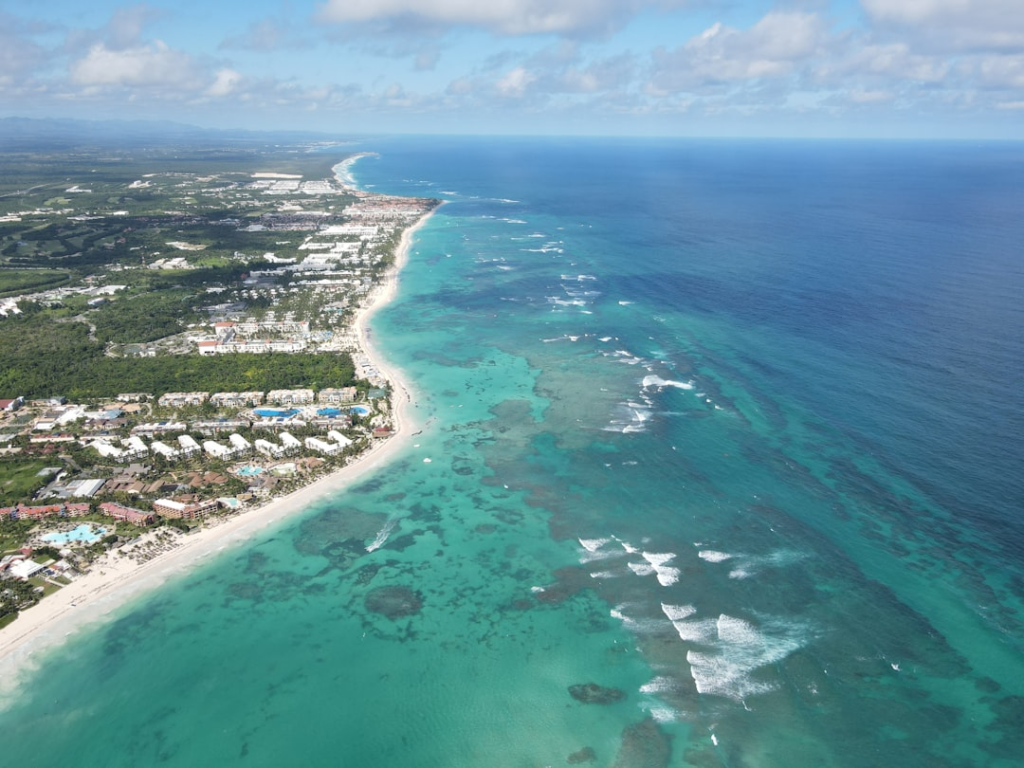
I’ll be honest with you: arriving at Punta Cana International Airport (PUJ) can feel chaotic if you don’t know what to expect. You’re stepping off the plane into Caribbean heat, joining hundreds of other travelers, and navigating a system that’s unfamiliar. But here’s the good news—I’ve walked through this airport dozens of times, and I’ve learned exactly what separates a smooth arrival from a frustrating one.
This guide shares the 7 best survival strategies I’ve discovered (and the mistakes I’ve made so you don’t have to). Whether you’re heading to an all-inclusive resort or a beachfront villa, these tips will get you from the tarmac to your transfer vehicle with your sanity intact.
1. Complete Your Dominican E-Ticket Before You Land

This is non-negotiable, and I cannot stress this enough: the Dominican Republic E-Ticket is mandatory for entry. I learned this the hard way my first trip—I thought I could fill it out at the airport. Wrong. The system crashed, lines formed, and I lost 45 minutes I didn’t have to spare.
Here’s what you need to know: You’ll fill out two E-tickets at the same time—one for arrival and one for departure. Visit the official site at https://eticket.migracion.gob.do and complete both forms before your trip. This takes about 5 minutes per ticket. You’ll receive QR codes for each.
Print those QR codes and save them to your phone’s camera roll. Airlines check for your departure QR code before you even board your outbound flight, and immigration will scan your arrival QR code when you land. Losing this QR code means starting the process over, which you definitely don’t want to do while standing in a hot, crowded immigration line.
Scam warning: There are fake E-ticket websites out there designed to steal your information or charge you bogus fees. The official government site is the only one you should use. If you’re not sure, Google “Dominican Republic E-ticket migracion” and verify the URL before entering any personal data.
2. Prepare for the Shuttle Bus—It’s Not Air-Conditioned

When you land at Terminal A (which handles most tourist arrivals), you won’t walk directly into the building. Instead, you’ll board a shuttle bus—sometimes called the “tarmac shuttle”—to get from the plane to the terminal. This is the moment reality hits: Caribbean heat with no air conditioning.
The shuttle itself is functional but crowded, and it can take 10–15 minutes depending on how many planes are ahead of you. I’ve seen travelers show up in heavy jackets and long sleeves, thinking they’ll change at the airport. Don’t be that person. Wear something light and breathable.
Bring a small bottle of water in your carry-on if you’re thirsty during this wait. The shuttle ride isn’t long, but it’s a good moment to mentally prepare for what’s next. Take a deep breath, grab your phone, and remind yourself that thousands of people arrive at this airport every day and make it through just fine.
3. Navigate Immigration Without an E-Gate (And Bring Patience)
Terminal A does not yet have automated e-gates for arrivals, which means you’ll go through a manned immigration counter. Here’s the reality: there is no air conditioning in the immigration area. This is not a complaint—it’s a fact you need to mentally prepare for. Immigration can feel slow, especially during peak hours (early morning, early evening, and late afternoon).
When you reach the counter, the immigration officer will scan your arrival QR code and ask standard questions: Why are you visiting? Where are you staying? How long? Have you been to the Dominican Republic before? Keep answers short and honest. You’re a tourist on vacation—that’s your story, and it’s the right one.
Immigration lines move, but they move at their own pace. I’ve seen arrivals take anywhere from 15 minutes to an hour depending on staffing and passenger volume. This is where patience becomes your superpower. Bring water, wear light clothing, and mentally accept that you might be standing for a while. It’s not personal, and it’s not the airport’s fault—it’s just how the system works right now.
Pro tip: Have your passport ready and your E-ticket QR code visible on your phone before you reach the counter. This small gesture speeds things up slightly and shows respect for the officer’s time.
4. Skip Duty-Free Before Customs (or Be Strategic About It)
After immigration, you’ll enter a duty-free shopping zone. This is tempting, especially if you see sunscreen, alcohol, or other vacation staples. But here’s my honest take: shopping here before customs can be risky.
Why? Because if you buy something at duty-free and then declare it at customs, you’re slowing yourself down. If you don’t declare it and customs catches it, you could face questions or delays. It’s not worth the headache on arrival day when you’re tired and want to get to your resort.
My recommendation: browse if you want, but save your duty-free shopping for departure. On the way out, you know exactly what you’re buying, and there’s no customs inspection after the shop. Alternatively, if you do see something essential (like sunscreen, which the source mentions as a smart grab here), grab it, declare it, and move on. Customs usually waves through duty-free items without issue.
5. Collect Your Baggage and Navigate Customs Confidently
After the duty-free zone comes baggage claim. Carousels are clearly marked by flight number. Grab your luggage, do a quick visual inspection to make sure it wasn’t damaged in transit, and keep moving.
Then comes customs. This is the final checkpoint before you officially enter the Dominican Republic. You’ll declare any items you’re bringing in, answer basic questions if asked, and wait for your bags to be scanned or searched. In my experience, most tourists breeze through without a search. If they do open your bag, stay calm and answer questions straightforwardly.
The golden rule: don’t try to sneak anything in. Customs agents at Punta Cana are professional and efficient. Attempting to hide items only creates problems. Be honest, declare what you should, and you’ll be through in minutes.
6. Avoid the Aggressive Post-Customs Timeshare Zone
The moment you clear customs, you’ll emerge into a chaotic marketplace-style area. Vendors, timeshare salespeople, and gift shop workers will approach you. This is one of the most overwhelming moments of your arrival, and I want you to be ready for it.
Timeshare reps are especially aggressive. They’ll offer free tours, discounted activities, or “exclusive resort bonuses” if you’ll just sit through a 90-minute presentation. Unless you’re genuinely interested in buying property, keep walking. Make eye contact if you want to be polite, but don’t stop. A firm “No, thank you” goes a long way.
If you need cash, there are ATMs and money exchange booths here, but rates are not competitive. I recommend withdrawing cash at your resort or using the airport ATM only if you must. Money exchange booths here tend to offer poor rates—it’s better to hit an ATM once you’re at your destination.
The best strategy: know where your transfer company is supposed to pick you up before you land. Have that location in mind, and head straight there. Don’t linger, don’t chat, and don’t let vendors slow you down. This area is designed to slow you down—it’s how they make money. You’re smarter than the system.
7. Book a Private Transfer in Advance (Skip Taxis)
This is the most important tip I can give you: book your airport transfer before you arrive. Do not take a taxi off the street at Punta Cana airport.
Taxis are not regulated the same way they are in other countries. Drivers may overcharge tourists, take inefficient routes, or engage in aggressive sales tactics for tours and timeshares once they drop you off. It’s simply not worth the savings.
Instead, book a private transfer through a reputable service. Viator, GetYourGuide, and other major platforms offer airport transfers at transparent, fixed prices. You’ll know exactly what you’re paying before you arrive. A driver will meet you at baggage claim with a sign displaying your name. No negotiation, no confusion, no surprises.
There are a few options to consider:
- VIP SUV Transfer: A nicer vehicle, sometimes with a bit more comfort and privacy. Good for couples or small groups willing to pay slightly more.
- Shared Van Transfer: More economical, shares the ride with other tourists heading the same direction. Takes longer but costs less.
- Standard Private Car: Comfortable middle ground between price and convenience.
Many resorts offer transfer packages bundled with your booking—check your confirmation email. If they don’t, book independently through Viator or GetYourGuide. The peace of mind is worth every dollar.
Bonus Tip: Consider VIP Fast Track (But Know When It’s Worth It)
VIP Fast Track services exist at Punta Cana airport. These services let you skip some lines and move through immigration and customs faster. But are they worth the price?
Here’s my honest take: VIP Fast Track is worth it if you’re arriving during peak hours (early morning, early evening) or if you’re traveling with young children and want to minimize stress. During off-peak times, the regular lines move quickly enough that paying extra doesn’t save you much time—maybe 15 minutes.
If you decide it’s for you, book it through a reputable transfer company when you arrange your airport transfer. Don’t buy it from a vendor inside the airport—you’ll pay a premium and have no recourse if something goes wrong.
Browse VIP Transfer Options on ViatorPowered by ViatorThe Reality Check: Airport Departure Tips for Your Return Trip
Since you’re thinking about arrival, let me give you a sneak peek at departure so you can mentally prepare for both directions. Most of what you learned on arrival applies in reverse, but there are a few differences.
On departure, don’t lose your E-ticket departure QR code—you’ll need it to check in with your airline. Have it ready before you reach the counter. The airport can be crowded and chaotic on departure day, especially if it’s a Saturday or Sunday. Arrive early (3 hours before an international flight is standard).
One key difference: after you check in and go through security, you’ll have access to a waiting area with shops, restaurants, and air conditioning. Departure is generally less chaotic than arrival because you’re moving backward through the process—there’s less of a crowd surge.
Final Thoughts: You’ve Got This
Punta Cana airport is not complicated once you know what to expect. The chaos you might feel reading about it online is mostly the product of surprise—travelers who didn’t prepare. By following these 7 strategies, you’re already ahead of 80% of arrivals.
Your job is simple: complete your E-ticket early, bring water and patience, keep moving through the post-customs zone, and book a private transfer in advance. Everything else is detail work.
You’re about to step into one of the most beautiful regions of the Caribbean. That immigration line, the hot shuttle bus, the timeshare vendors—they’re all just the gateway. Once you’re through them, you’ve earned your vacation. Make it count.
Explore Activities & Transfers on GetYourGuidePowered by GetYourGuideSafe travels, and I’ll see you on the beach.
See real Punta Cana tours and prices on Viator
Live catalog, real reviews, instant confirmation. We may earn a small commission - the price you pay is the same.
Browse Punta Cana tours ->