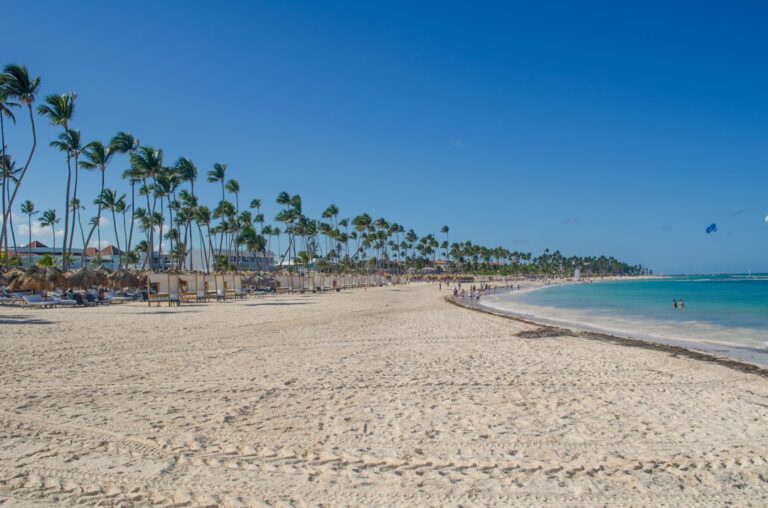
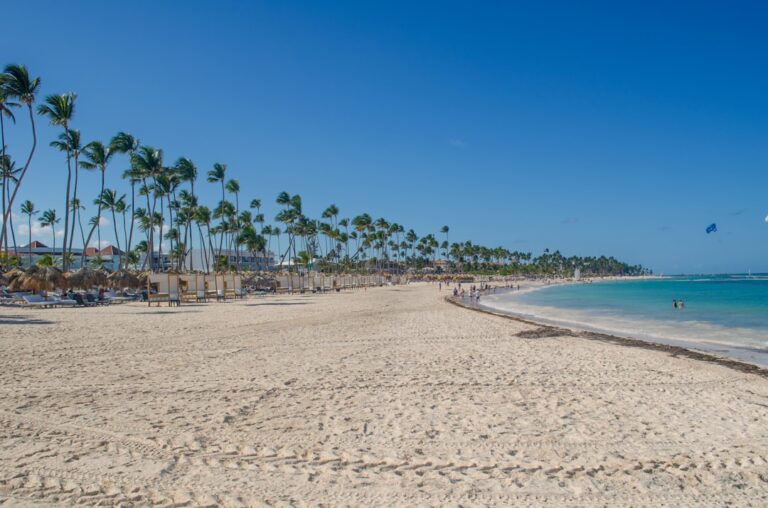
Everyone who flies into Punta Cana dreams of pristine beaches and swim-up bars. But after my seventh trip to the Dominican Republic, I realized the real magic happens when you venture beyond the resort gates. The waterfalls that aren’t on Instagram, the cenotes where locals actually dive, the colonial towns where you’re the only gringo for miles—these are the experiences that make you fall in love with this place.
I’m not going to lie: finding these spots takes work. No travel agent will hand you a map. But I’ve done the legwork, asked around, gotten delightfully lost a few times, and discovered seven hidden gems that deserve a spot on your Punta Cana itinerary. Let me share them with you.
1. Salto El Limón: The Waterfall That Feels Like Discovery
Most visitors to Punta Cana stick to the managed resort pools or the heavily trafficked Bavaro Beach. But if you’re willing to drive about an hour inland to the Samaná Peninsula, you’ll find Salto El Limón—a 125-foot waterfall that cascades into a pristine natural pool. The hike in takes roughly 45 minutes, and yes, you’ll need a guide, but the payoff is worth every bead of sweat.
What makes this waterfall special isn’t just its height or the freshness of the water (though both are incredible). It’s the sense of genuine remoteness. On my visit, I shared the pool with maybe a dozen other people, not hundreds. You can actually float here, actually think. The water is cool and clear, and the surrounding vegetation is thick enough that you forget you’re in a tourist destination at all.
Getting there requires a combination of hiking and, typically, horseback riding through the countryside. Local guides arrange everything, and the experience of moving through the landscape at a slow pace—seeing how locals actually live in the interior—is half the adventure. The trail winds through farmland and forest, and your guide will point out plants and wildlife you’d never notice on your own.
The best time to visit is early morning, before tour groups from the main resorts start arriving. Go between September and November if you want fewer crowds, though the weather is more unpredictable. If you’re going during high season, aim for a weekday.
Book Salto El Limón TourPowered by Viator2. Cenote Okola: The Underground Cenote Off Most Radars
The Dominican Republic is dotted with cenotes—those mysterious underground freshwater pools formed by collapsed limestone. Most tourists know about a few of the big ones near Puerto Plata or in the Tulum area of Mexico. But Cenote Okola, located in the interior east of Punta Cana, remains relatively unknown to casual travelers.
The cenote itself is a natural sinkhole about 60 feet deep, with a small river running through it. The water is absolutely pristine—so clear you can see to the bottom—and cold enough to be refreshing without being shocking. What struck me most was the silence. No piped-in music, no resort noise, just the sound of water and the occasional bird. You can swim, snorkel, or simply float and let your mind settle.
The cenote is accessed through a local guide system, and part of the experience involves learning about the site’s geological and cultural significance. The Taíno people—the indigenous inhabitants of the Dominican Republic before Columbus arrived—considered cenotes sacred. Standing in one, looking up at the light filtering through the opening, you understand why.
The hike down is steep but manageable, about 10-15 minutes. Bring water shoes or sandals with grip; the rocks are slippery. The local guides are knowledgeable and genuinely passionate about conservation, which adds another layer of meaning to the visit.
Find Cenote ToursPowered by GetYourGuide3. Laguna Gri-Gri: Where the River Meets the Sea
Laguna Gri-Gri is a natural lagoon in the town of Río San Juan, about 90 minutes north of Punta Cana. It’s the kind of place that shows up in the guidebooks but barely registers on most tourists’ itineraries—which is exactly why it’s so perfect.
The lagoon is fed by an underground river, and the whole area is ringed by mangrove forests and small fishing communities. You can take a boat tour through the waterways, and what you’ll see is the Dominican Republic as it actually exists for locals: wooden houses on stilts, fishermen casting nets, kids playing on the dock, roosters calling from the shore. It’s not staged or sanitized for tourism.
One of the best parts of a Gri-Gri visit is stopping at a small beach within the lagoon where the freshwater river meets the sea. You can swim here, and the sensation of dipping between fresh and salt water is genuinely disorienting and wonderful. Bring your snorkel gear—the mangroves support their own small ecosystem of fish and sea creatures.
Río San Juan itself is a charming, underdeveloped town with colorful fishing boats and a few simple restaurants serving fresh ceviche and grilled fish. Eat lunch here. Wander the streets. Talk to locals. This is the kind of experience that costs next to nothing but creates lasting memories.
The boat tours typically last 2-3 hours and can be arranged through local operators in the town. The journey from Punta Cana is long but manageable if you make it a half-day excursion.
Book Samaná Bay ToursPowered by Viator4. Playa Blanca: A Secret Beach Near Las Terrenas
Everyone knows about Bavaro Beach and Playa Dorada, the resort-lined stretches that define Punta Cana tourism. But drive north to Las Terrenas, and you’ll find Playa Blanca, a long stretch of white sand backed by coconut palms and, crucially, very few tourists.
Las Terrenas is a small, laid-back beach town that caters more to backpackers, digital nomads, and independent travelers than to all-inclusive resort guests. The vibe is completely different from Punta Cana proper. The beach here is less manicured and more genuine. Local fishermen still launch from the shore. The restaurants are casual and family-run, not corporate chains.
Playa Blanca itself is about a 20-minute drive north of Las Terrenas, accessible via a rough but passable road. The beach is long, quiet, and backed by a few low-key cabinas and beachfront restaurants. The water is calm and perfect for swimming. On a weekday, you might have the place almost entirely to yourself.
What I love about this beach is that it feels undiscovered without being inaccessible. You’re not roughing it—there are restaurants and amenities—but you’re also not elbow-to-elbow with hundreds of other tourists. Spend a day here swimming, reading, and eating fresh fish, then head back to your resort. You’ll feel like you’ve found something the guidebooks missed.
The drive from Punta Cana is about 2 hours, making this a full-day excursion. Consider renting a car or booking a private driver through your hotel.
5. Cacao Processing Tour in Cocoa Village
The Dominican Republic produces some of the world’s finest cacao, but most tourists never learn this or taste it. Deep in the interior, near Bayahibe, small-scale cacao farmers grow, harvest, and process the beans using traditional methods that have been passed down for generations.
A cacao processing tour is one of the most educational and sensory-rich experiences I’ve had in Punta Cana. You’ll walk through cacao plantations, see the beans fermented and dried, and learn the difference between varieties by tasting them at different stages. You’ll also get hands-on experience: cracking the pods yourself, removing the beans, tasting the raw product.
The tours usually include a chocolate-making session, where you’ll take beans you’ve selected and help process them into actual chocolate. There’s nothing like eating chocolate you’ve basically made yourself, still warm from the grinder, with cacao butter you can taste in every bite.
These are typically small-group or private tours led by the farmers themselves. The conversations you’ll have—about weather, soil, market pressures, climate change—give you a window into the real economic pressures facing rural Dominicans. It’s not a theme park version of agriculture; it’s the actual thing.
Tours usually last 3-4 hours and include tastings and lunch. Check the booking link for current pricing and availability, as these are often small operations without consistent online presence.
Find Chocolate & Cacao ToursPowered by GetYourGuide6. Bayahibe: The Fishing Village That Time Forgot
Bayahibe is a small fishing village about 30 minutes west of Punta Cana, accessible by car or organized tour. It’s technically known to tourists because it’s a launch point for diving and snorkeling trips to nearby islands, but the village itself is barely visited.
Walking through Bayahibe feels like stepping back two decades. Colorful wooden fishing boats line a small beach. Old men sit on stoops playing dominoes. Fresh seafood dries on lines. There’s no resort development, no souvenir shops hawking cheap trinkets, no aggressive vendors. Just a working community going about its day.
The best way to experience Bayahibe is to hire a local guide for a few hours. They’ll take you to small restaurants where tourists almost never appear, show you where the fishermen sell their catch at dawn, introduce you to their family, maybe invite you for coffee. This kind of authentic interaction is something you simply can’t buy from a resort.
There’s also excellent snorkeling and diving available from Bayahibe, with trips to nearby Saona Island and the Coral Gardens. But even if you don’t do a water excursion, spending an afternoon in the village—eating fresh ceviche for lunch, swimming in the small beach, watching the sunset from a local bar—is worth the drive.
Many visitors combine a Bayahibe visit with a Saona Island tour, making it a full-day excursion. The village itself is compact and easily explored in 2-3 hours on foot.
Book Bayahibe & Saona Island ToursPowered by Viator7. Tres Ojos Cave System: Underground Lakes and Stalactites
Tres Ojos (Three Eyes) is a cave system about 45 minutes west of Punta Cana that contains three underground lakes, stalactites, stalagmites, and a small underground river. It’s technically known to some tourists, but nowhere near as crowded as the major cenote sites in Cancun or Tulum.
The cave system was formed over thousands of years by water seeping through limestone, creating hollows and channels. The three lakes are separated by small rock formations and connected by underground streams. You can visit all three with a guide, swimming in each lake and learning about the geological processes that created them.
What’s remarkable about Tres Ojos is the atmosphere underground. The caves are dimly lit by natural light filtering through small openings in the ceiling and enhanced by guide lamps. The water is cool and very clear. Standing in a cave system, looking up at stalactites hanging from the ceiling and their reflections in still water below, creates a profound sense of being inside something ancient and powerful.
The tour typically lasts 2-3 hours and involves modest hiking and swimming. No special equipment is needed beyond swimwear and water shoes. The guides are knowledgeable about the cave’s geology and history and can explain what you’re seeing.
The best time to visit is early morning when it’s cool and crowds haven’t arrived. Weekdays are quieter than weekends. Bring a light jacket or sweater—the caves are significantly cooler than the surface, and the water stays around 70°F year-round.
Book Cave & Cenote ToursPowered by GetYourGuideHow to Actually Find These Hidden Gems (Practical Tips)
Knowing about these places is one thing. Actually getting to them requires some planning. Here’s what I’ve learned:
Hire a guide or book a tour. While you *could* rent a car and navigate on your own, the roads in the interior can be rough and signage is minimal. More importantly, guides provide context and access that solo travelers can’t get. They know the best times to visit, the safest routes, and can often negotiate better prices at restaurants and activities.
Start early. Most hidden gems are most beautiful and least crowded in the early morning. If you’re booking a tour, try to find operators who offer dawn or early-morning departures.
Ask locals. The staff at your hotel, your taxi driver, the waiter at breakfast—these people know what’s worth visiting. They also know what’s safe, what’s seasonal, and what’s best avoided. Conversations with locals yield better recommendations than any guidebook.
Use the booking platforms wisely. Viator, GetYourGuide, and similar platforms are useful for finding organized tours to these locations, but they’re not your only option. Many local operators don’t list online. Ask your hotel concierge to connect you with local guides who can customize an experience.
Be respectful. These hidden gems are special *because* they haven’t been overrun by tourism. Visit respectfully. Don’t litter. Don’t harass wildlife. Don’t treat local communities as backdrops for your photos. Leave these places as pristine as you found them so future travelers can have the same experience.
Best Time to Visit These Hidden Gems
The Dominican Republic has a rainy season (August–October) and a dry season (December–March), with hurricane season coinciding with the summer months. For hidden gem exploration, timing matters.
December through February: Dry, sunny weather. This is peak season, so these spots will be busier. But you’re guaranteed good conditions for hiking, swimming, and exploring.
September through November: Rainy season means fewer tourists and lush, green landscapes. Waterfalls have more water. The trade-off is humidity and occasional heavy rain. If you visit, go early in the day before afternoon thunderstorms.
March through May: The shoulder season offers decent weather, lower prices, and fewer crowds. This is my favorite time to visit because you get good conditions without peak-season crowds.
Avoid September and early October due to hurricane risk. Plan your hidden gem visits for early morning and mid-week when possible.
Practical Logistics: Getting Around
Most of these hidden gems require transportation beyond your resort shuttle. Here are your options:
Organized tours: This is the easiest and safest option. Most of these locations have tour operators on Viator or GetYourGuide who handle transportation, guide services, and entrance fees. You book, show up at your hotel, and you’re taken care of.
Private driver or rental car: If you’re comfortable driving on rough roads and navigating in Spanish, renting a car gives you flexibility. Alternatively, hire a private driver through your hotel. This is more expensive but more flexible than organized tours.
Taxi or local guide: In smaller towns like Rio San Juan or Bayahibe, you can often negotiate with taxi drivers or local guides to take you on custom tours. Ask your hotel concierge for recommendations.
Budget between $50–$150 per person for transportation and guide services, depending on which location and how much customization you want.
Food and Dining at Hidden Gems
One of the great pleasures of visiting these off-the-beaten-path locations is the food. You’ll eat where locals eat, served by families who’ve been making the same recipes for decades.
In Bayahibe, order the fresh ceviche or grilled fish at family restaurants near the beach. In Río San Juan, the seafood is extraordinary—ask your guide where to eat. Near the cacao farms, you’ll likely get served a simple lunch of rice, beans, fresh fruit, and whatever was caught or grown locally that day.
The food won’t be fancy, but it will be fresh, authentic, and delicious. Prices are a fraction of what you’d pay at a resort restaurant. A full meal with a drink might cost $8–$15 USD.
Don’t be afraid to eat where locals eat. The hygiene standards might be different from what you’re used to, but the food is genuinely good and rarely the source of traveler’s stomach issues.
Final Thoughts: Why Hidden Gems Matter
Punta Cana’s all-inclusive resorts are wonderful. The beaches are real, the service is attentive, and the value is undeniable. But they’re also a bubble. If you want to actually understand the Dominican Republic—its geography, its culture, its people—you have to step outside that bubble.
The hidden gems I’ve shared are worth seeking out not because they’re obscure for the sake of being obscure, but because they reveal something genuine about this country. A waterfall that’s remotely accessed, a cenote where the water is pristine, a fishing village where tourists are still novel—these are the experiences that stick with you long after you’ve returned home.
Punta Cana is a destination for rest and relaxation. But it can also be a destination for real adventure and discovery if you know where to look. I hope this guide helps you find those hidden gems and come away from your trip feeling like you’ve seen something real.
Frequently Asked Questions
How long does it take to reach these hidden gems from Punta Cana?
Travel times vary. Salto El Limón and Laguna Gri-Gri are about 1–1.5 hours by car from central Punta Cana. Cenote Okola and the cacao farms are roughly 45 minutes to 1 hour inland. Bayahibe is about 30 minutes west. Tres Ojos is 45 minutes west. Most are accessible as half-day or full-day excursions from your resort.
Do I need a 4-wheel-drive vehicle to reach these places?
Not always, but it helps. Some roads are rough and unpaved. A sedan can usually get you there, especially during the dry season. If you’re uncomfortable with rough terrain, book an organized tour where the operator handles the vehicle logistics.
Are these places safe for solo travelers?
Yes, but with precautions. Stick to organized tours if you’re unfamiliar with the area, or hire a local guide. Avoid traveling alone at night. These locations are generally safe during daylight, especially in groups. Ask your hotel concierge for current safety conditions before heading out.
What's the best time of year to visit hidden gems in Punta Cana?
December through March offers the best weather but most crowds. For fewer tourists and lush landscapes, visit September through November, though afternoon rain is common. March through May is an excellent shoulder season with decent weather and lower prices.
Can I visit multiple hidden gems in one day?
Potentially, but it’s not recommended. Each location deserves at least half a day to properly experience. Trying to hit multiple spots in one day means rushing and missing the actual charm of each place. Instead, choose one or two per day and savor the experience.
What should I bring when visiting these hidden gems?
Bring plenty of water, sunscreen, a hat, and insect repellent. Wear water shoes or sandals with grip for hiking and swimming. Bring a light jacket for caves, which stay cool. A waterproof phone case is useful for photos near water. Snorkel gear is optional but enhances cenote and beach experiences.
Do I need a guide, or can I explore these places on my own?
Guides are highly recommended. They know the safe routes, the best times to visit, cultural context, and often speak local languages. They also have connections to local businesses and can navigate around crowds. For most hidden gems, guides are either required or so helpful that hiring one is worth the cost.
Are entrance fees required for these locations?
Most hidden gems charge modest entrance fees, typically $5–$20 USD per person, often included in organized tour packages. Organized tours may cost $50–$150 per person depending on what’s included. Check the booking link for current pricing with specific tour operators.
See real Punta Cana tours and prices on Viator
Live catalog, real reviews, instant confirmation. We may earn a small commission - the price you pay is the same.
Browse Punta Cana tours ->