Why These 10 Stops Define the Dominican Republic
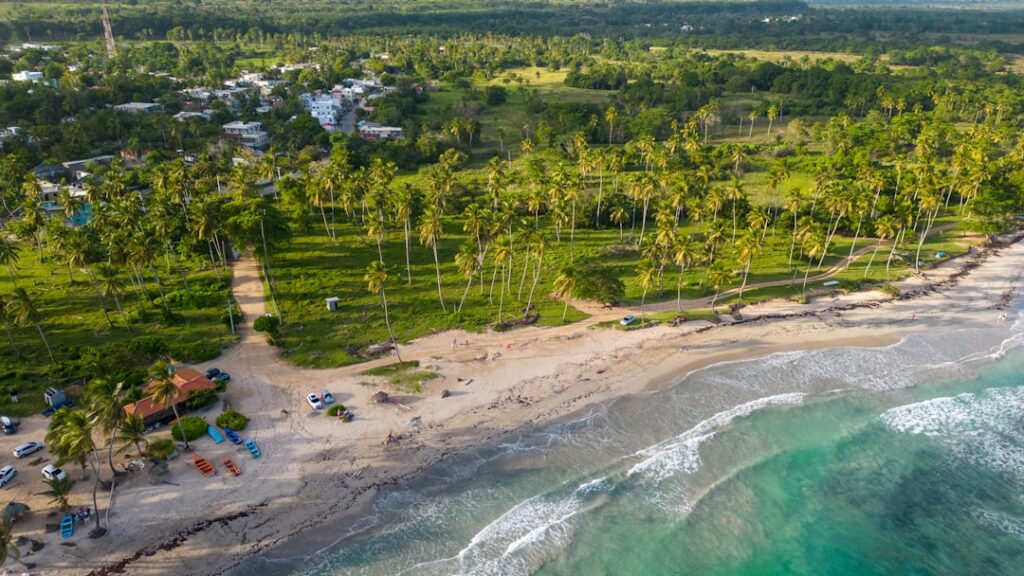
The Dominican Republic isn’t just a single-resort destination—it’s a diverse island with world-class beaches, hidden waterfalls, pristine islands, and genuine Caribbean culture. When I started planning my own itinerary, I quickly realized that the country’s true magic lies in mixing resort relaxation with off-the-beaten-path adventures.
After researching what travelers consistently rave about and what locals actually recommend, I’ve identified 10 essential stops that should anchor any Dominican Republic trip. Whether you’re visiting for a long weekend or a full week, these destinations will give you the most authentic and memorable experience possible.
Browse Dominican Republic Tours on ViatorPowered by ViatorPro tip: The Dominican Republic is the fastest-growing destination in Latin America. Book your activities and accommodations in advance, especially during peak season.
1. Saona Island: The Postcard-Perfect Escape
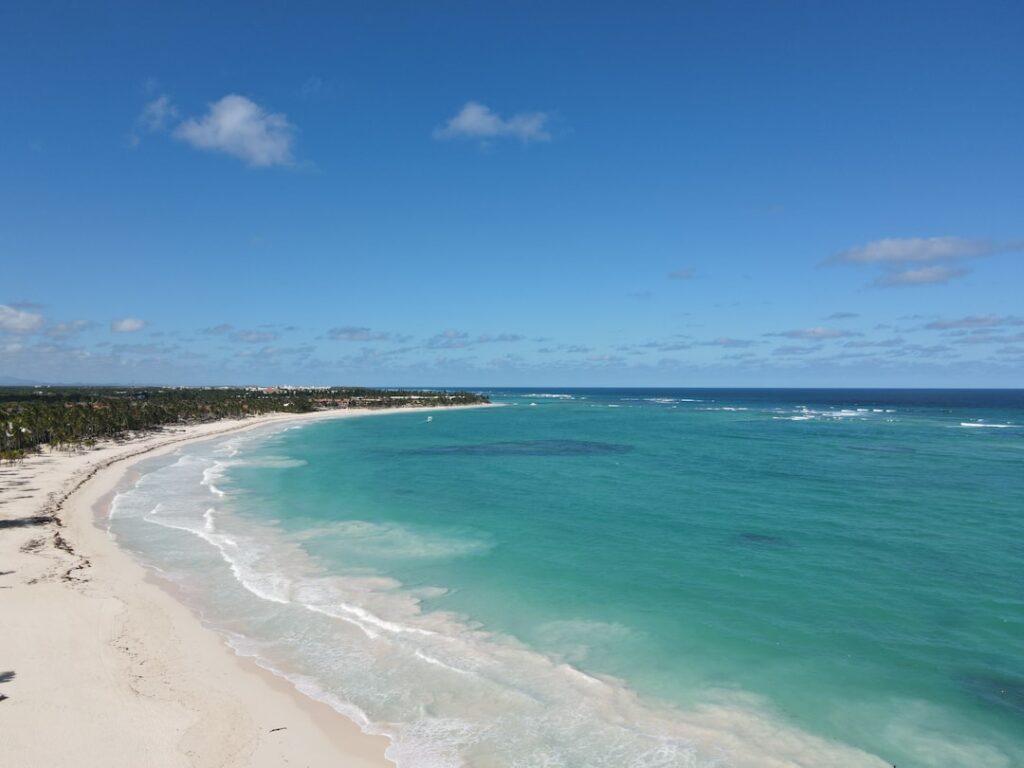
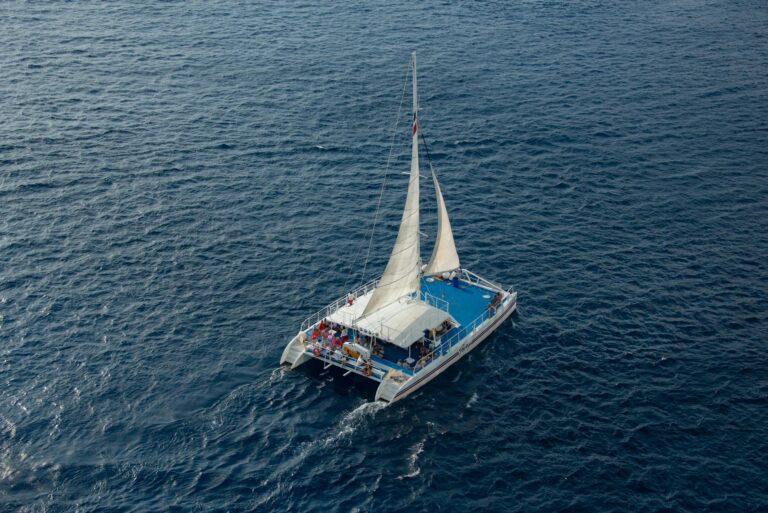
Saona Island is where those impossibly blue water photos come from. Located off the southeastern coast, this national park island features powder-soft beaches, crystalline turquoise waters, and marine life that feels almost unreal. I visited on a day tour and spent hours walking through shallow water that looked like liquid glass.
Most tours include a stop at Palmilla Beach, a natural sandbar where starfish gather in the shallow water. You can spend time snorkeling in the coral reefs and swimming with tropical fish. The island is also home to natural pools where the sand creates shallow, perfectly clear swimming areas.
The typical tour lasts a full day and includes lunch on the island. Tours depart from Punta Cana and include boat transport, snorkeling gear, and meals. This is one of the most popular activities in the region, so book early if you’re visiting during high season.
2. Samana Island & El Limon Waterfall: Lush Landscapes and Hidden Gems
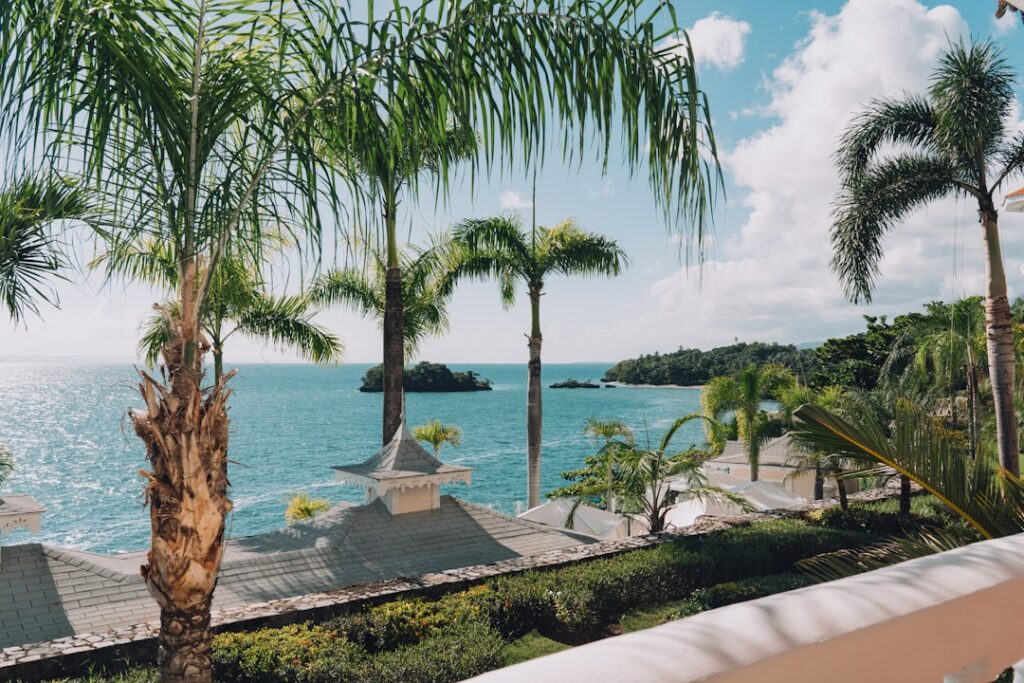
Samana Island sits on the northeastern coast and feels like stepping into a different world from the typical beach resorts. The landscape here is lush, mountainous, and dotted with waterfalls that drop straight into emerald pools. The Samana Bridge connects the island to the mainland and has become iconic for its views.
The must-do here is a hike to El Limon Waterfall, a stunning cascade that plunges into a natural freshwater pool. The hike takes about 30-45 minutes through tropical forest, and the reward is a chance to swim in cool water surrounded by jungle vegetation. Many tours also include a beach stop and a visit to a local community.
What I loved most about Samana was how genuinely quiet it felt compared to the resort areas. The locals are warm, the food is authentic, and the pace of life is noticeably slower. If you’re looking to escape the typical Punta Cana resort crowd, this is the place.
Plan a full day or overnight in Samana. Day tours from Punta Cana are available, but staying overnight gives you time to really explore the region’s restaurants and natural attractions without rushing.
3. Punta Cana: The Beach Resort Hub
Punta Cana is the main entry point for most Dominican Republic tourists, and for good reason. This area offers the most developed infrastructure, the most resort options, and immediate access to some incredible beaches and water activities. Even if you’re planning to explore other parts of the island, you’ll likely spend at least a few nights here.
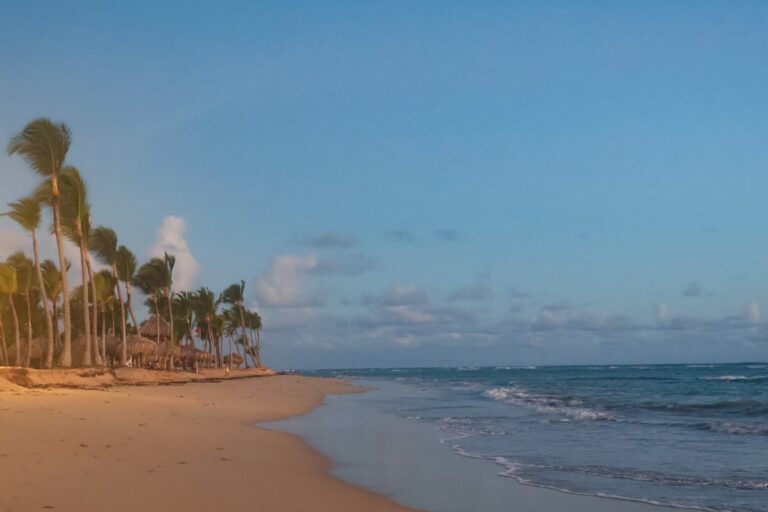
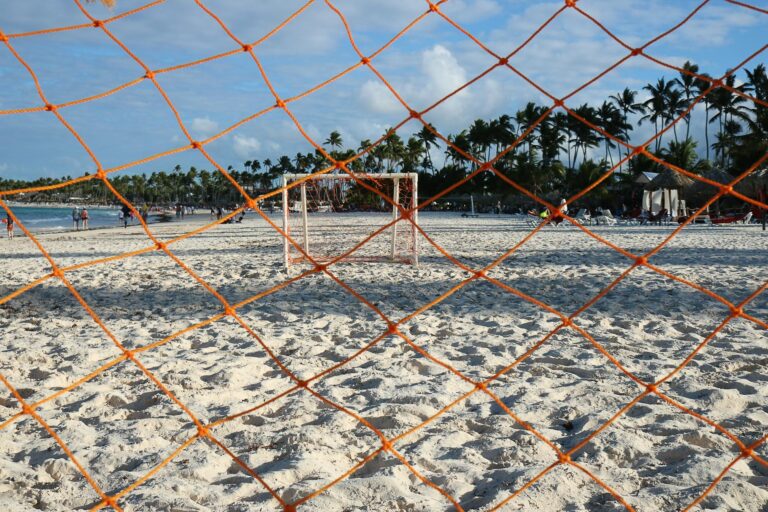
Punta Cana’s beaches are consistently ranked among the best in the Caribbean. The sand is white, the water is warm year-round, and the variety of resort options means you can find something at nearly any budget level. Beyond lounging on the beach, Punta Cana offers excellent snorkeling, diving, and water sports.
Monkey Land is a popular attraction nearby where you can interact with native monkeys and other wildlife in a natural setting. There are also numerous beach clubs, island hopping tours, and adventure activities departing from the Punta Cana area.
The convenience factor here is huge. Direct flights arrive in Punta Cana, rental cars are readily available, and most tour operators have their bases here. If this is your first Dominican Republic visit, starting here makes logistical sense.
Find Punta Cana AccommodationsPowered by Booking.com4. Jarabacoa: Mountain Scenery That Defies Expectations
Jarabacoa sits in the interior mountains of the Dominican Republic, and honestly, it caught me off guard. This highland town doesn’t look like the Caribbean at all—it looks more like a mountain village in the Alps. The air is cooler, the vegetation is lush, and there are waterfalls, river valleys, and hiking trails that feel worlds away from beach culture.
The Salto Baiguate waterfall is the star attraction. This multi-level cascade drops into pools where you can swim, and the hike takes you through genuine rainforest. Unlike the crowded beach destinations, Jarabacoa feels peaceful and genuinely remote, even though it’s only a few hours’ drive from Punta Cana.
I’d recommend spending at least one night in Jarabacoa to make the hikes less rushed. The town has good restaurants, some charming accommodations, and local guides who know the best trails and swimming spots. If you’re an outdoor person or looking for a completely different side of the Dominican Republic, this stop is essential.
The drive from Punta Cana takes a few hours, but the scenery along the way is beautiful. Many travelers book a rental car or hire a driver for this portion of their trip.
5. Cabarete: Water Sports and Genuine Beach Culture
Cabarete is on the north coast and has a completely different vibe from Punta Cana. This is where kitesurfers, windsurfers, and active travelers congregate. The town has a bohemian feel, with local restaurants, bars, and a genuine community atmosphere that develops during the evening.
The beaches here are excellent for water sports due to consistent winds and waves. If you’re not into sports, the beach itself is beautiful and much less crowded than Punta Cana. The town has a laid-back Caribbean feel—this is where you eat at local family-run restaurants rather than resort buffets.
Cabarete is also a good base for exploring the north coast region. Playa Dorada and Puerto Plata are nearby, and the drive along the north coast is scenic. Many travelers combine a few nights in Cabarete with a Punta Cana resort stay to get a more well-rounded experience of the island.
6. Santo Domingo: Colonial History and Caribbean Culture
Santo Domingo, the capital, is the oldest European city in the Americas. If you want to understand Dominican culture beyond the beach resort experience, you need to spend time here. The Colonial Zone is a UNESCO World Heritage site with cobblestone streets, colonial architecture, and museums that tell the story of Caribbean history.
Walking through the Colonial Zone, you’ll see the Cathedral of Santa Maria la Menor (the oldest cathedral in the Americas), the Alcazar of Columbus, and numerous galleries, shops, and restaurants. The atmosphere is genuinely historic—you’re walking streets that have hosted explorers, pirates, and revolutionaries.
The food scene in Santo Domingo is exceptional. This is where you’ll find authentic Dominican cuisine, not resort-adapted versions. Local street food, family-run restaurants, and upscale dining all coexist here. I’d recommend at least one full day in Santo Domingo, or ideally an overnight stay.
Santo Domingo is about 2 hours from Punta Cana, making it feasible as a day trip, but the city deserves more time. If you’re driving the island, consider starting or ending your trip here.
7. Las Terrenas: North Coast Sophistication
Las Terrenas is on the Samana Peninsula’s north coast and offers a different kind of beach experience—more upscale and European-influenced than Cabarete, but less resort-heavy than Punta Cana. This is a genuine beach town with a strong French and Italian influence.
The beaches here are excellent, with a mix of white sand and rocky coves. There’s good dining, ranging from casual beach shacks to sophisticated restaurants. The town has an international community that creates an interesting cultural blend—you’ll hear French, Italian, Spanish, and English being spoken.
Las Terrenas serves as a good base for exploring the Samana Peninsula. Whale watching (December through March) is a major draw, and the nearby beach of Playa Bonita is worth a visit. The town is developing rapidly but still maintains a more authentic feel than the all-inclusive resort areas.
8. Puerto Plata: Beach Town with Authentic Caribbean Charm
Puerto Plata is on the north coast and remains one of the more underrated destinations in the Dominican Republic. The city has a genuine Caribbean feel—colorful colonial buildings, busy streets, and authentic local life happening all around you. This isn’t a tourist-polished place; it’s a real Dominican city that happens to have excellent beaches.
Ocean World is a marine park here with dolphin shows and other attractions. The Teleférico (cable car) takes you up to an observation point with views of the entire coast. The beaches are solid, though you’ll see locals playing baseball and living their daily lives rather than just tourists.
Many cruise ships stop in Puerto Plata, so it gets busy during cruise season, but it’s an easy city to navigate independently. The food is authentic and inexpensive, and the overall atmosphere feels more like visiting a real place rather than a tourist destination.
9. The Samaná Bridge: The Most Instagrammable Stop
The Samaná Bridge is technically infrastructure, but it has become one of the most iconic photo spots in the Dominican Republic. This long causeway connects Samaná Island to the mainland, and the views are spectacular—especially at sunset. The water beneath the bridge is incredibly clear and turquoise.
I’d recommend stopping here whether you’re heading to Samaná for a full visit or just driving through. Park safely and spend 20-30 minutes walking across and taking photos. The bridge offers perspective on the scale of the peninsula and is genuinely beautiful.
Many travelers combine this stop with a visit to the nearby beaches and El Limon Waterfall, making it part of a larger Samaná adventure.
10. Bavaro Beach: The Resort Alternative
Bavaro Beach is adjacent to Punta Cana but has developed as its own beach resort area with a different feel. While Punta Cana beaches are excellent, Bavaro offers some travelers a less crowded alternative with equally beautiful water and sand. The beach is more family-oriented in atmosphere, with good restaurants and watersports options.
Bavaro serves as a good base if you want beach time combined with easy access to tours of other destinations. It’s close enough to Punta Cana for day trips but feels like a step away from the main resort cluster.
Practical Itinerary Options
The Classic Week (7 days): 3 nights Punta Cana or Bavaro (with day trips to Saona Island and Monkey Land), 2 nights Jarabacoa (with waterfall hikes), 2 nights exploring either Samana, Cabarete, or Las Terrenas. This gives you beach, mountain, culture, and adventure.
The Extended Weekend (4 days): 2 nights Punta Cana with a full-day Saona Island tour, 1 night driving to another coastal area (Cabarete or Las Terrenas), returning to Punta Cana. This maximizes your time if you have limited vacation days.
The Culture & Adventure (5-6 days): 1-2 nights Punta Cana, 2 nights Jarabacoa with waterfall hikes, 1-2 nights Santo Domingo exploring the Colonial Zone, 1 night back at the beach. Perfect if you want to skip the resort crowds and experience authentic Dominican culture.
Browse Dominican Republic ExperiencesPowered by GetYourGuideImportant Travel Tips for Your Dominican Republic Trip
Best Time to Visit
The best time to visit is typically December through March when the weather is warm and dry. Hurricane season runs June through November, though direct hits are relatively rare. Shoulder seasons (April-May and October-November) offer fewer crowds and lower prices, but you may encounter rain.
Cash vs. Credit Cards
Dominican pesos are the local currency (USD is widely accepted in tourist areas). Bring both cash and credit cards. ATMs are available in major towns, and most resorts accept cards, but many local restaurants and smaller establishments prefer cash. Exchange rates at ATMs are generally better than at exchange services.
Getting Around
Rental cars are available at the Punta Cana airport. If you’re comfortable driving on the right side of the road (and tolerating sometimes chaotic traffic), a rental car gives you maximum flexibility. Alternatively, hire a driver or use tour operators who provide transportation. Uber operates in major areas but isn’t available everywhere on the island.
Safety Considerations
The Dominican Republic is generally safe for tourists in established resort and tourist areas. Use common sense: don’t flash expensive jewelry or large amounts of cash, avoid walking alone late at night, and stick to well-traveled areas. Crime statistics for tourist zones are comparable to major U.S. cities. Travel health insurance is recommended.
Communication
WhatsApp works well with hotel WiFi. Local SIM cards are inexpensive and offer good coverage if you need reliable data throughout the island. Major carriers include Claro, Verizon, and Orange.
Bottom Line: Building Your Perfect Dominican Republic Itinerary
The Dominican Republic’s strength is its diversity. In a single week, you can experience world-class beaches, mountain rainforest, colonial history, and authentic Caribbean culture. The 10 stops I’ve outlined hit all these elements while remaining logistically feasible.
My advice: don’t try to hit all 10 in one trip unless you have two weeks. Pick a focus based on what excites you most. Love beaches? Center on Punta Cana, Saona Island, and either Cabarete or Las Terrenas. Want adventure and nature? Make Jarabacoa and Samana your anchors. Interested in culture? Spend more time in Santo Domingo and the smaller towns like Cabarete.
Book accommodations and major tours (especially Saona Island) in advance, particularly if visiting during December to March. Rent a car or arrange a driver—the island is driveable, and having your own transportation opens up experiences you’d miss on standard resort tours.
Compare Flight + Hotel PackagesPowered by WayAwayThe Dominican Republic has everything: luxury resorts, hidden waterfalls, pristine islands, and genuine human connection. These 10 stops represent the best of what the island offers. Plan your trip around them, and you’ll come home with stories and memories that last far beyond the vacation.
See real Dominican Republic tours and prices on Viator
Live catalog, real reviews, instant confirmation. We may earn a small commission - the price you pay is the same.
Browse Dominican Republic tours ->