The Quick Answer: High Season vs. Low Season
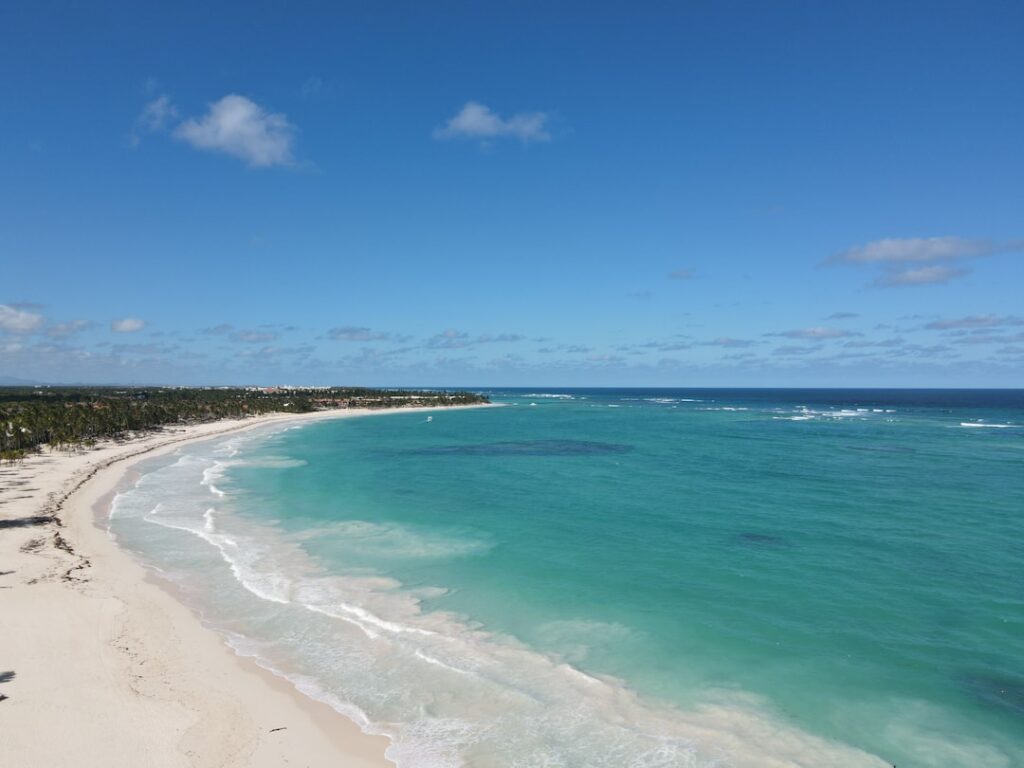
If you’re researching Punta Cana trips, you’ve probably seen conflicting advice about the “best” time to go. The truth is there’s no single answer—it all depends on whether you’re chasing sunshine, chasing deals, or chasing both.
High season runs December through April. This is the dry season, when skies are clear, humidity drops, and the water is calm. Expect higher prices and packed resorts, but also whale watching (January to March), stable weather, and the lively energy of peak tourism.
Low season runs May through November. Hotels slash prices by 30–50%, beaches are quieter, and you’ll snag room upgrades. The trade-off is afternoon rain showers and the official Atlantic hurricane season (June–November), though Punta Cana is less vulnerable than other Caribbean islands.
Here’s what most travel blogs won’t tell you: the rainy season in Punta Cana is genuinely misnamed. After spending a full month in June—the heart of what’s called rainy season—visitors report absolutely stunning weather, incredible deals, and the vacation of a lifetime. Let me walk you through each season in detail so you can make the call yourself.
Compare Flight Prices by SeasonPowered by WayAwayHigh Season (December–April): The “Golden” Period
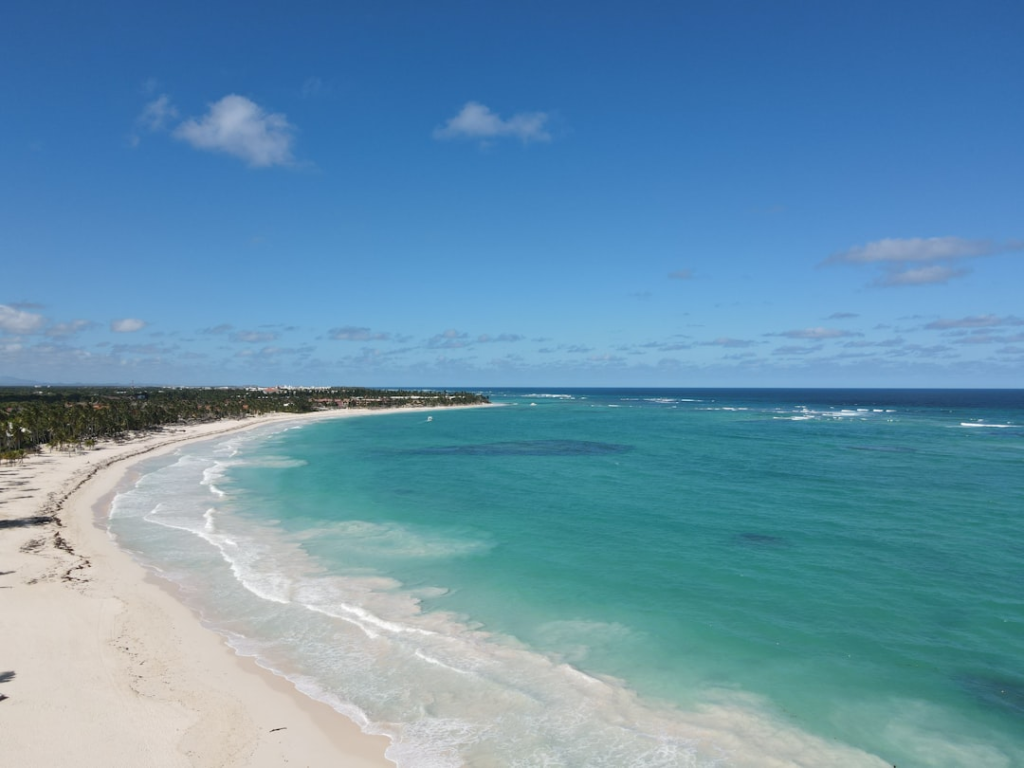
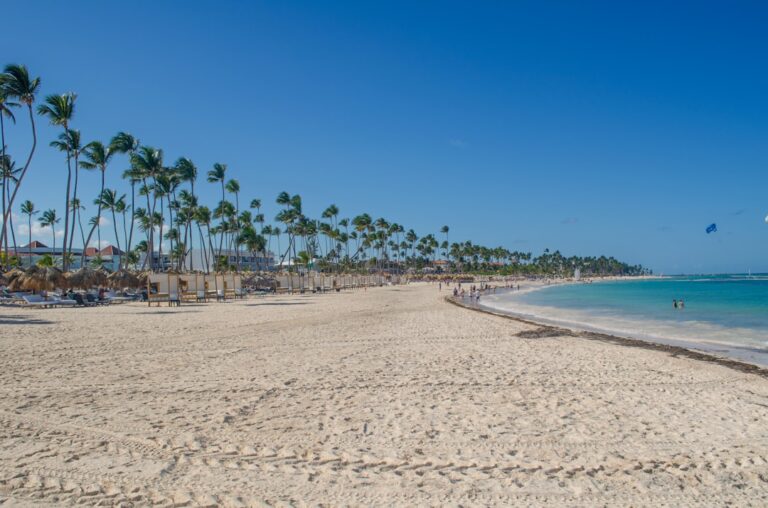
The high season in Punta Cana is called golden for a reason. From December through April, the Dominican Republic enters its dry season. Temperatures hover around 26–28°C (79–82°F), humidity is noticeably lower, and rain is rare. The sky stays clear for days at a time, the sea is calm, and the beach experience is exactly what postcards promise.
This is also whale watching season. From mid-December through March, thousands of humpback whales migrate to the warm waters near Samaná to mate and give birth. If you’re in Punta Cana during these months, full-day whale watching excursions are widely available and considered an unforgettable experience by travelers who’ve done them.
The downside is unmistakable: prices spike. Hotels charge premium rates, flights are more expensive, and popular resorts fill up months in advance, especially around Christmas, New Year, and Easter. If you’re traveling during these peak weeks, you might find your preferred property is fully booked or costs significantly more.
Best Months Within High Season
December–February: Perfect weather, whale watching active, but expect crowds and higher prices. These months are premium for a reason.
March–April: Still dry and warm, fewer visitors than December–February, slightly lower prices. Late April edges into shoulder season, offering a sweet spot of good weather and reduced crowds.
See High Season Resort RatesPowered by Booking.comLow Season (May–November): The Contrarian’s Sweet Spot
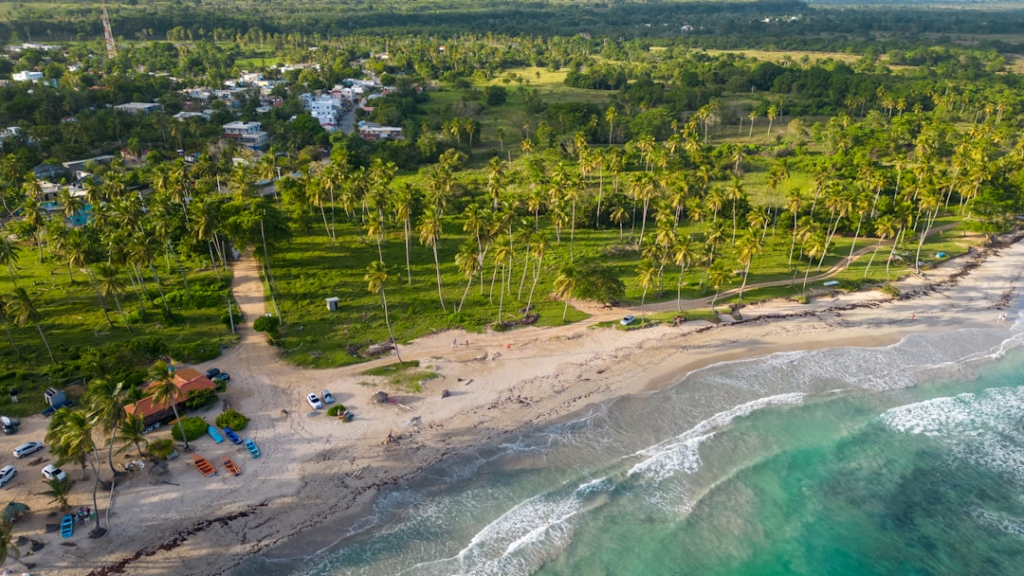
Low season is where the real story begins—and where most travelers miss out. From May through November, Punta Cana transitions into the wetter part of the year. Yes, afternoon showers do happen, sometimes intensely. But here’s what resort marketers don’t advertise: the weather is often excellent, the sun returns quickly after rain, and prices collapse.
Travel creators who’ve spent entire months in June—the statistical peak of rainy season—report some of the best weather they’ve experienced in the Caribbean. Mornings are sunny and clear. Afternoons bring brief, warm showers that cool things down. By evening, the sky clears again. You’re not sitting in your room for days; you’re getting tropical showers between hours of beach time, and you’re paying a fraction of what high-season travelers spend.
The other massive advantage: solitude. During low season, resorts are genuinely quiet. Beaches have space. You’re far more likely to negotiate room upgrades, get better table service, and have personalized attention from staff. For introverts and budget-conscious travelers, this is paradise.
Understanding the Hurricane Risk (Spoiler: It’s Overstated for Punta Cana)
The Atlantic hurricane season officially runs June through November, and yes, the statistical peak occurs in September and October. But this is where location matters. Punta Cana, positioned on the eastern tip of the Dominican Republic, is significantly less vulnerable to direct hurricane hits than other Caribbean destinations like Puerto Rico or Jamaica. Strong storms remain relatively rare in Punta Cana specifically.
Most savvy travelers simply take out comprehensive travel insurance during low season and monitor forecasts in the weeks before departure. If a storm warning emerges, travel insurance covers cancellation or rescheduling. In practice, hurricanes that directly impact Punta Cana are uncommon enough that many experienced Caribbean travelers treat the season the same way they treat thunderstorms in Florida—manageable risks with insurance backing.
Best Months Within Low Season
May–June: The sweet spot. Prices are deeply discounted, weather is genuinely good (contrary to reputation), and hurricane risk is still lower than September–October.
July–August: Hot and humid, but absolutely packed with deals. Fewer tourists means quieter resorts; brief afternoon showers are normal.
September–October: Peak hurricane season statistically, but still safe in Punta Cana. Prices are lowest of the year. Travel insurance becomes extra important here.
November: Shoulder season. Prices are still reasonable, weather starts improving as the dry season approaches, and crowds begin picking up.
Browse Low Season DealsPowered by Booking.comMonth-by-Month Breakdown Table
Here’s how each month stacks up across the factors that matter most:
| Month | Weather | Crowds | Price Level | Special Notes |
|---|---|---|---|---|
| January | Excellent | Very High | $$$$ | Peak holidays; whale watching active |
| February | Excellent | High | $$$ | Whale watching peak |
| March | Excellent | Medium-High | $$ | Whale watching ending; slight price dip |
| April | Very Good | Medium | $$ | Shoulder season; great value-to-weather ratio |
| May | Good | Low | $ | Start of low season; afternoon showers begin |
| June | Good | Very Low | $ | Misconceived; often excellent weather + huge deals |
| July | Good | Very Low | $ | Hot & humid; rock-bottom prices |
| August | Good | Very Low | $ | Peak heat; deep discounts |
| September | Fair | Very Low | $ | Peak hurricane season; insurance essential |
| October | Fair | Very Low | $ | Peak hurricane season; lowest annual prices |
| November | Very Good | Low-Medium | $$ | Shoulder season; weather improving; good deals |
| December | Excellent | Very High | $$$$ | Holiday peak; whale watching begins |
The Rainy Season Myth: Why June Is Actually Incredible
This section deserves its own space because it contradicts almost everything you’ve read elsewhere. The conventional wisdom says “avoid May through October”—the rainy season. But travelers who’ve actually stayed in Punta Cana during June report something completely different from what weather averages suggest.
Here’s what really happens in June: mornings are brilliant and sunny. The beach is yours alone, with barely another tourist in sight. Mid-afternoon, a warm tropical shower rolls through—sometimes intense, usually brief. The rain cools everything down beautifully, and by evening, clear skies return. You’re not stuck in your room. You’re experiencing a genuine tropical climate, getting world-class beach time, and paying 50% less than high-season travelers.
Weather data websites that show “high rain probability” in June are technically correct but profoundly misleading. Yes, rain occurs. No, it doesn’t ruin your vacation. Caribbean rain is warm, short-duration, and often followed by the most brilliant sunshine. If you’re flexible and not obsessed with a cloudless sky every hour of every day, the “rainy season” offers some of the best value and most authentic Caribbean experiences available.
The real secret? All-inclusive resort prices in June are insanely cheap because of this misconception. Hotels have fewer guests, staff can give you personal attention, you’ll likely negotiate room upgrades, and the property often feels like your private resort. Experienced budget travelers have figured this out, but it remains underrated in mainstream travel media.
Shoulder Seasons: April & November
If you want to split the difference between high season’s perfect weather and low season’s rock-bottom prices, shoulder seasons are your answer. April and November occupy the edges between peak and off-season, offering a unique sweet spot.
April: The Spring Bridge
April is the tail end of high season, but prices start dropping and crowds thin out notably. Weather is still excellent—sunny, warm, and dry. If you can book an April trip, you’re getting roughly 80% of December–February’s weather quality at 50–60% of the price. Late April especially (post-Easter) offers the best deals within high season.
November: The Autumn Entry
November is when low season begins to transition back to high season. The weather starts improving as the dry season approaches, crowds begin trickling back in, and prices are still reasonable—much cheaper than December. If you’re willing to risk a slightly higher chance of an afternoon shower, November offers great value with increasingly stable weather.
Compare Shoulder Season RatesPowered by Booking.comSpecial Events & Activities by Season
Whale Watching (December–March)
If seeing humpback whales is a must-do for your trip, you have a narrow window. From mid-December through March, thousands of whales migrate to the warm Dominican waters to breed and birth calves. Day trips from Punta Cana include transport to Samaná and boat tours in the whale sanctuary. These excursions are available throughout this period, though January–February sees peak whale activity. Check the booking link for current pricing on whale-watching tours.
Catamaran & Saona Island Trips (Year-Round)
These classic excursions run year-round from Punta Cana. Catamaran cruises, snorkeling trips, and day trips to Saona Island are available in both high and low seasons. During low season, you’ll have a more private experience and likely better pricing on individual tours.
Land-Based Activities (Year-Round)
Buggy tours, ziplining, cenote visits, cultural village tours, and trips to Santo Domingo are available every month. Weather differences don’t significantly impact these activities, though afternoon rain is more common in low season (which might actually be refreshing during a ziplining adventure).
Flights & Hotels: Real Pricing Patterns
Understanding seasonal pricing helps you plan a budget. Here’s what to expect:
December–April flights and hotels: Premium pricing. Expect to pay peak rates, especially around major holidays. Book 3–4 months in advance for best availability.
May–November flights and hotels: Significantly discounted. Hotels often run 30–50% off peak pricing. The closer you get to September–October, the deeper the discounts. You can often book closer to your travel date with low-season pricing.
A practical strategy: if you’re flexible on dates and willing to travel during May–June or late April, you’ll experience the best value-to-weather ratio. If you must go in high season, April and November offer better prices than December–March.
Travel Insurance: Essential for Low Season
If you’re booking a low-season trip (especially September–October), travel insurance isn’t optional—it’s a fundamental part of your budget. Comprehensive coverage protects you if a hurricane warning forces cancellation or rescheduling. For the extra cost of insurance (usually 5–10% of your trip), you get peace of mind and financial protection.
Insurance also covers medical emergencies, lost luggage, and trip interruptions. Many travel agencies and booking platforms (including Booking.com and Expedia) offer insurance options at checkout. Consider it mandatory for low-season bookings.
Bottom Line: Your Decision Framework
Choosing the best time to visit Punta Cana comes down to your priorities:
- If you want guaranteed sunshine and don’t mind paying peak prices: Book December–March. This is when Punta Cana delivers the postcard-perfect experience, and whale watching is a bonus.
- If you want the best value and can tolerate occasional rain: Book May–June or November. You’ll save thousands and experience authentic Caribbean weather without the crowds.
- If you want to save the most money and are willing to manage hurricane risk: Book September–October. Prices are rock-bottom, insurance is essential, and Punta Cana’s location makes direct hits uncommon.
- If you want a balanced trade-off: Book late April or November. Weather is solid, prices are reasonable, and you’ll skip peak crowds.
Whatever month you choose, plan ahead, book excursions early, monitor weather forecasts in the weeks before departure, and get appropriate travel insurance for your dates. Punta Cana is outstanding year-round—the question isn’t whether to go, but when your priorities align best with what each season offers.
Start Planning Your Punta Cana TripPowered by Booking.comSee real Punta Cana tours and prices on Viator
Live catalog, real reviews, instant confirmation. We may earn a small commission - the price you pay is the same.
Browse Punta Cana tours ->