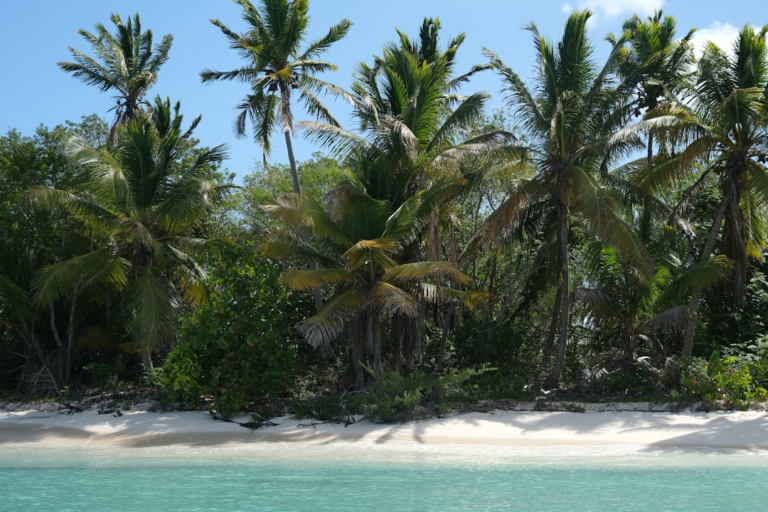
Punta Cana is the first name that pops into most people’s heads when you say “Dominican Republic.” It’s on every travel bucket list, splashed across Instagram, and packed into countless all-inclusive resort packages. But here’s the question I wrestled with after exploring this corner of the island independently: Does the hype match reality? I spent time renting an Airbnb near Bavaro Beach, exploring Cap Cana, visiting the famous Juanillo Beach, and even taking a boat to Saona Island—one of the world’s most photographed beaches. After soaking in the sun and salt water, I’m ready to give you the real story.
The Honest Verdict: Who Should Visit Punta Cana?
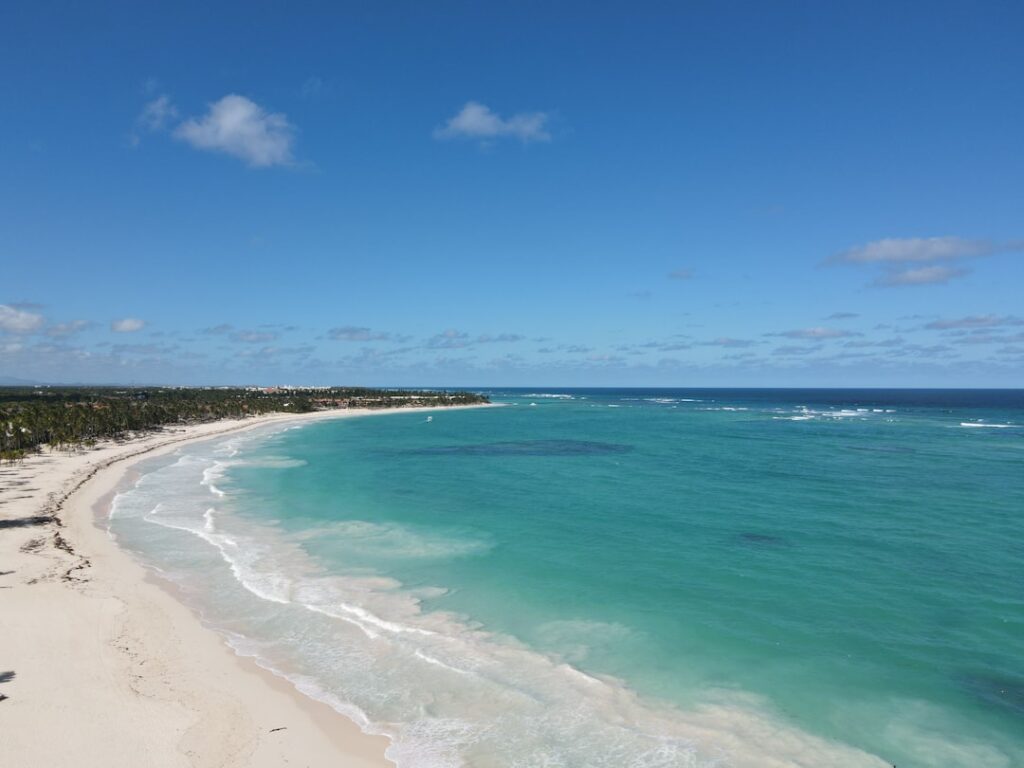
Let me cut straight to it: Punta Cana is worth visiting if you know what you’re getting into. It’s not a hidden gem—it’s a developed, resort-heavy destination. If you’re expecting untouched Caribbean wilderness, you’ll be disappointed. If you’re after crystal-clear water, consistent sunshine, and reliable infrastructure, you’ve found your spot.
The truth is, Punta Cana works brilliantly for certain travelers and falls flat for others. All-inclusive resort guests will have a seamless experience. Solo travelers or couples seeking independence will find it possible but require more planning. Budget backpackers might feel the pinch.
Check All-Inclusive ResortsPowered by Booking.comThe Beaches: A Mixed Picture
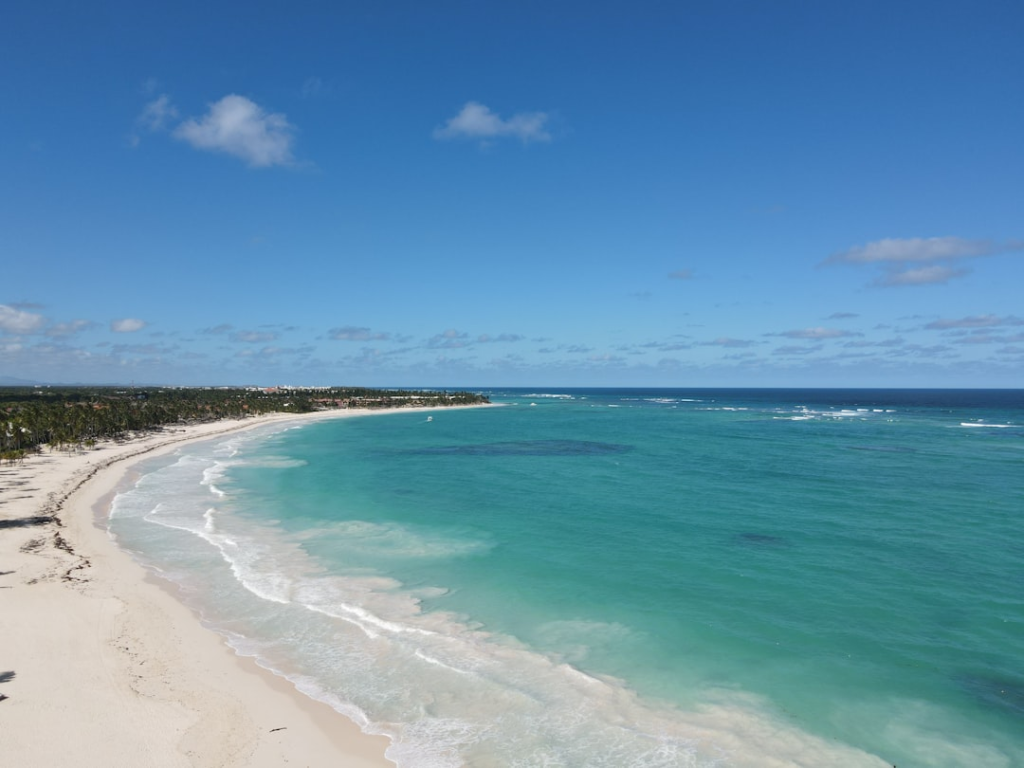
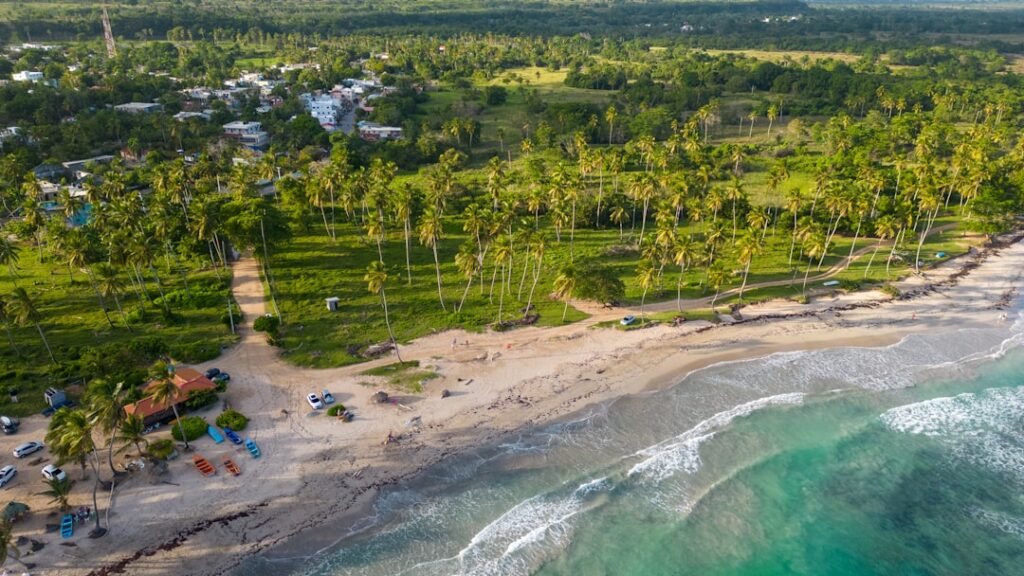
Let’s start with what Punta Cana is famous for: the beaches. Bavaro Beach is undeniably beautiful—soft white sand, turquoise water, and the kind of view that justifies the Instagram posts. If you’re staying at a resort, you’ll have private or semi-private beach access, which is lovely. The sand is consistently pristine because it’s maintained.
But here’s the catch: the public beaches get crowded. Very crowded. You’ll share the water with tour groups, jet skis, and parasail operators. During peak season, it feels less like a tranquil paradise and more like a busy Caribbean shopping mall.
Saona Island, rated one of the top beaches in the world, is worth the boat trip—the water is genuinely stunning, and it’s where scenes from Pirates of the Caribbean were filmed. But expect a full day commitment and a group experience. You won’t be alone.
If solitude is your goal, consider exploring less-developed areas of the Dominican Republic instead. Punta Cana’s beaches are excellent, but they come with people and commercialization built in.
All-Inclusive Resorts: Convenience Comes With a Cost
The majority of Punta Cana visitors stay at all-inclusive resorts, and I understand why. You pay one price upfront, show up, and everything is handled. Meals, drinks, entertainment, activities—it’s all included. For families and groups, this removes decision fatigue and surprise charges.
The trade-off? You’re paying premium prices for a controlled experience. You’ll eat the same meals as hundreds of other guests, follow the resort’s schedule, and rarely venture beyond the property. Many travelers report feeling trapped in a bubble, insulated from actual Dominican culture.
Adults-only resorts like Punta Cana Princess aim to elevate this experience with more curated dining and entertainment, but the fundamental limitation remains: you’re still on a resort.
Compare Punta Cana ResortsPowered by Booking.comIndependent Travel: Possible but Requires Planning
I chose to rent an Airbnb just minutes from Bavaro Beach and explore independently. Here’s what I learned: it’s absolutely doable, but it’s a different trip than a resort stay.
You’ll have more freedom and authentic experiences—eating at local restaurants, talking to actual Dominicans, discovering spots tourists don’t hit. But you also need to handle transportation, research restaurants, navigate potential language barriers, and manage your own logistics. There’s no concierge.
The infrastructure in Punta Cana is modern enough to support independent travel. Uber and taxis exist. Restaurants are plentiful. English is spoken more here than other parts of the island because of tourism. But it requires more effort and tolerance for minor inefficiencies.
If you’re the type who enjoys spontaneity and doesn’t need every detail pre-arranged, independent travel unlocks the “real” Punta Cana—or at least a version closer to it than a resort bubble allows.
The Cost Question: Is It a Good Value?
Punta Cana is expensive by Dominican Republic standards and moderately expensive compared to other Caribbean destinations. All-inclusive resorts typically run Check the booking link for current pricing per person per night, often with mandatory minimums of 3-5 nights.
For independent travel, your costs depend heavily on your choices. A decent Airbnb might run Check the booking link for current pricing per night. Meals at local restaurants are cheaper than resorts but still pricier than rural Dominican areas. Tourist activities—Saona Island tours, water sports, excursions—each add up quickly.
Here’s the real question: are you paying for location, convenience, or both? If you book a resort, you’re largely paying for the “all-inclusive” convenience and the guarantee of a hassle-free vacation. If you travel independently, you’re betting that the lower accommodation cost offsets the time and effort of arranging everything yourself.
For value-conscious travelers, Punta Cana isn’t a bargain destination. But for those with moderate budgets and the ability to plan ahead, it’s achievable without breaking the bank.
What to Expect: Infrastructure and Development
Punta Cana is heavily developed. This is a pro and a con. You won’t struggle to find ATMs, decent restaurants, or basic services. Road infrastructure is solid. Hospitals exist. It feels modern and safe, at least in the tourist areas.
But this development has a cost: it’s not particularly charming or unique. Strip malls, chain restaurants, and generic resort architecture dominate the landscape. If you’re seeking the “authentic Caribbean,” Punta Cana can feel sterile and commercialized.
That said, the reliability is a huge benefit if you’re traveling with family, have mobility issues, or simply prefer not to be surprised by infrastructure challenges. There’s something to be said for knowing what you’re getting.
Activities Beyond the Beach
Punta Cana isn’t just about lying on sand. The area offers zip-lining, cenote visits, ATV tours, deep-sea fishing, and water sports. Saona Island excursions are genuinely memorable. Cap Cana has upscale dining and yacht experiences.
The catch? Most activities are touristy and group-based. Prices reflect the all-inclusive, package-tour model. If you book through your resort, expect to pay more than if you arrange directly or through independent tour operators.
Browse Punta Cana Tours & ActivitiesPowered by ViatorThe quality of these experiences varies wildly depending on the operator and your expectations. Some tours are genuinely fun and well-run. Others feel rushed and overcrowded. Do your research before booking.
The Climate Reality: Hurricane Season and Crowds
Punta Cana has a tropical climate with warm weather year-round. The dry season (December to April) is peak season—crowded and expensive. The rainy season (May to November) brings afternoon showers but fewer tourists and lower prices.
Hurricane season officially runs June through November, with peak risk in August through October. Most hotels have insurance and protocols, but there’s genuine risk to consider. If you’re risk-averse, stick to the dry season, knowing you’ll share the beaches with thousands of others.
Connections to Other Parts of the Island
Punta Cana is on the far eastern coast of the Dominican Republic. If you want to explore other regions—Santo Domingo, the north coast, Santiago—you’ll need to travel 1-3+ hours. Most all-inclusive guests never leave their resort.
This isn’t necessarily a drawback if Punta Cana is your sole destination. But if you’re dreaming of a diverse Caribbean experience, be aware that Punta Cana is somewhat isolated within the island. Consider how many days you’ll actually spend here versus exploring elsewhere.
The Instagram Reality Check
Social media has sold Punta Cana as an idyllic paradise. The water is genuinely turquoise. The sunsets are real. But the carefully curated shots omit the crowds, the commercialization, the other tourists in every background, and the premium prices you’re paying to be there.
If you visit with realistic expectations—”I’m going to a popular, developed resort destination with beautiful water and good infrastructure”—you’ll likely have a great time. If you’re seeking an untouched Caribbean paradise based on Instagram, you’ll be disappointed.
Who Should Skip Punta Cana?
- Budget travelers: There are cheaper Caribbean and Central American options.
- Adventure seekers: If you want jungle hikes, wildlife spotting, and off-the-grid experiences, look elsewhere in the Dominican Republic.
- Cultural immersion travelers: Punta Cana is too tourist-focused for authentic Dominican interaction.
- Solo travelers on a tight budget: All-inclusive resorts are designed for couples and groups; independent travel requires more planning and costs more per person.
- People seeking solitude: This is a busy, developed destination, not a secluded escape.
Who Should Definitely Go?
- Couples seeking a relaxing beach vacation: All-inclusive resorts handle everything; just show up and enjoy.
- Families: Reliable infrastructure, water safety, and organized activities make it family-friendly.
- First-time Caribbean travelers: It’s safe, developed, and delivers on the “Caribbean beach” expectation.
- People with limited vacation time: The convenience of all-inclusive means zero planning and maximum relaxation.
- Water sports enthusiasts: The reef, warm water, and activity infrastructure are excellent.
The Bottom Line: Is Punta Cana Worth It?
Yes—if you match your expectations to what Punta Cana actually is. It’s not a hidden Caribbean gem or an off-the-grid escape. It’s a well-developed, tourist-friendly destination with beautiful beaches, reliable infrastructure, and convenient all-inclusive options. It’s expensive and crowded, but the quality and consistency are high.
For a couple wanting a hassle-free beach vacation, families needing reliable services, or travelers prioritizing comfort over adventure, Punta Cana delivers. You’ll have a good time, take beautiful photos, and feel like you’ve visited the Caribbean.
For budget travelers, adventure seekers, culture enthusiasts, or anyone expecting paradise without crowds, Punta Cana will likely frustrate you. Consider other parts of the Dominican Republic or other Caribbean islands that better match your travel style.
The hype isn’t entirely wrong—the beaches are genuinely beautiful, the water is genuinely warm, and the experience is genuinely pleasant. It’s just not transcendent or unique. It’s a very good resort destination, not a life-changing adventure. And that’s perfectly fine if that’s what you’re looking for.
See real Punta Cana tours and prices on Viator
Live catalog, real reviews, instant confirmation. We may earn a small commission - the price you pay is the same.
Browse Punta Cana tours ->